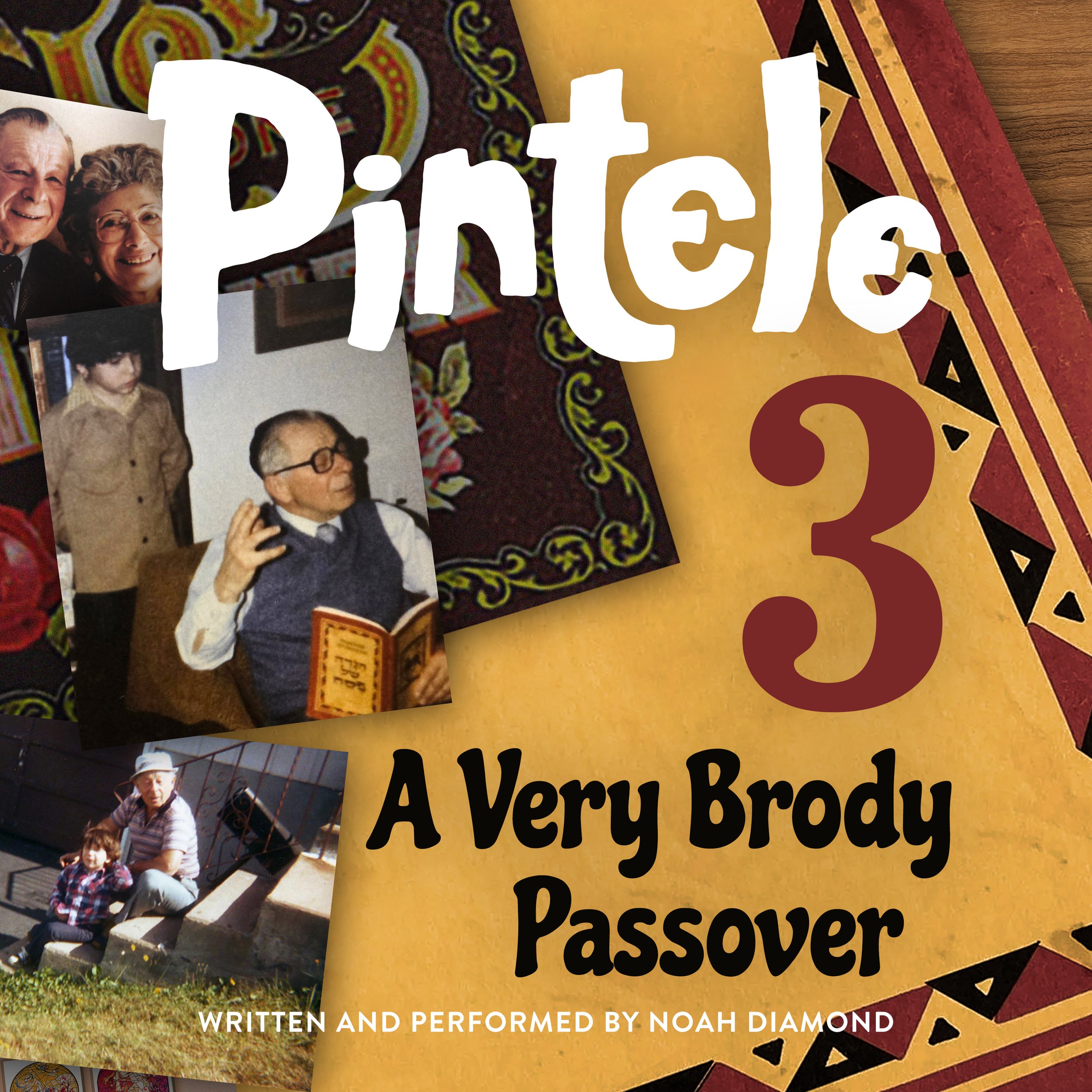
Pintele Part 3: A Very Brody Passover
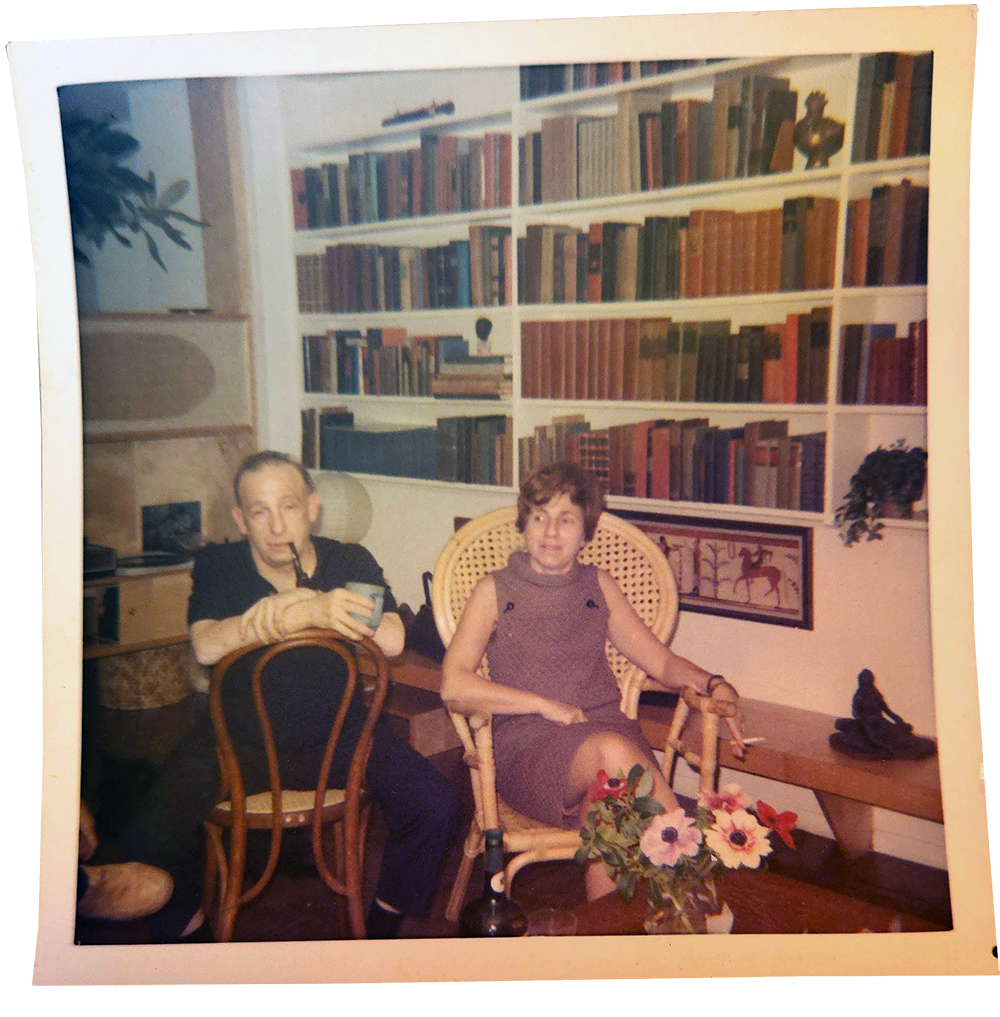
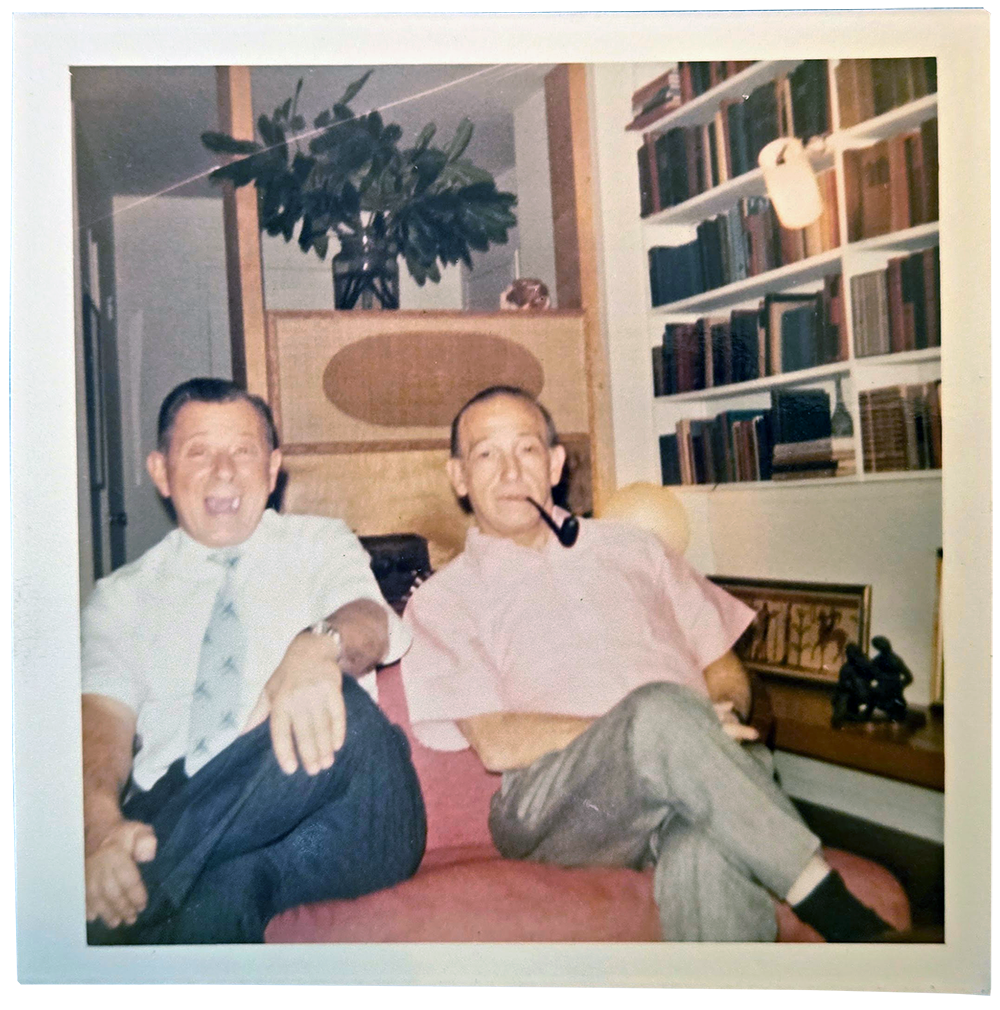
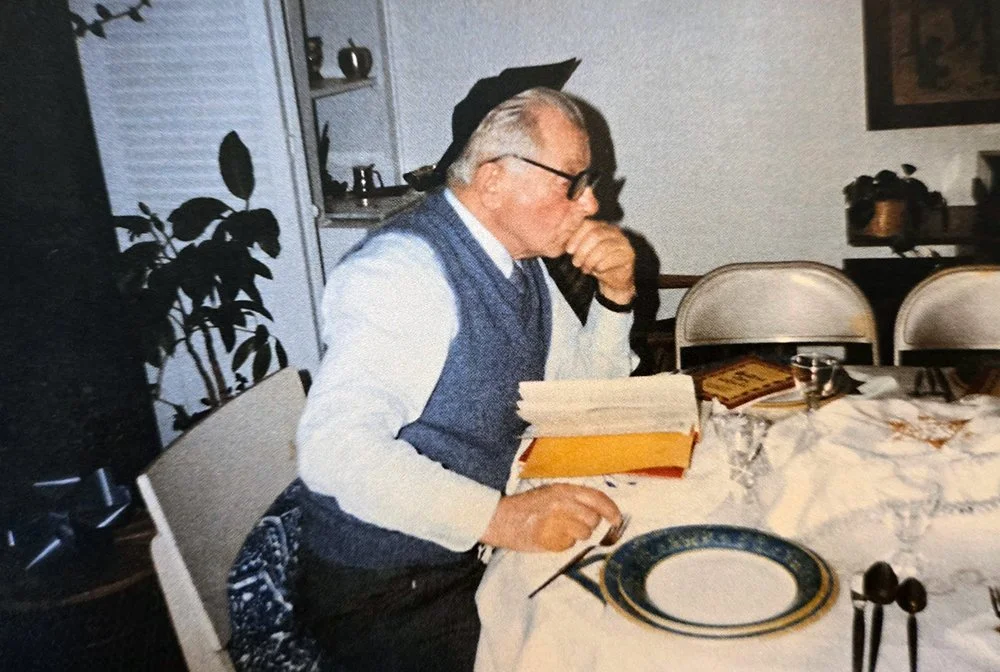
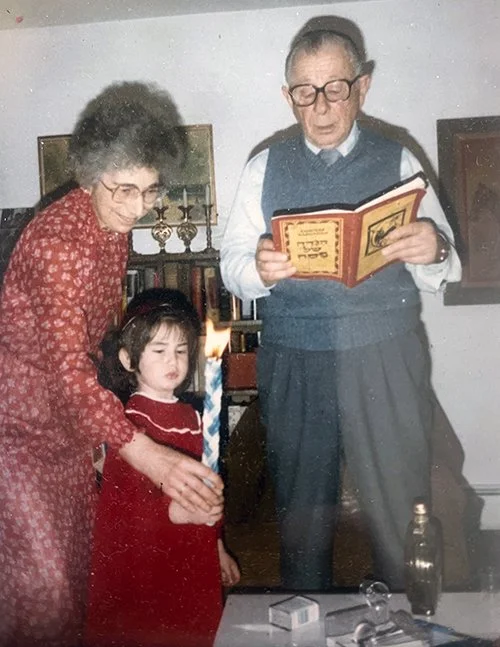
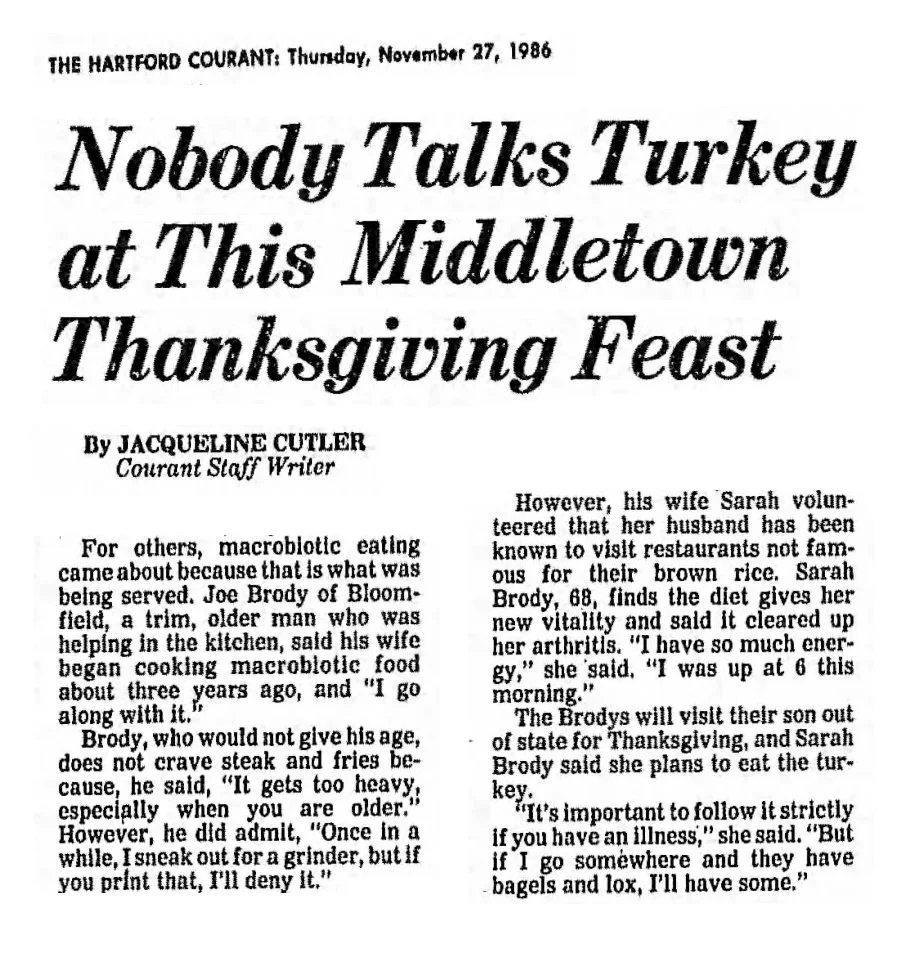
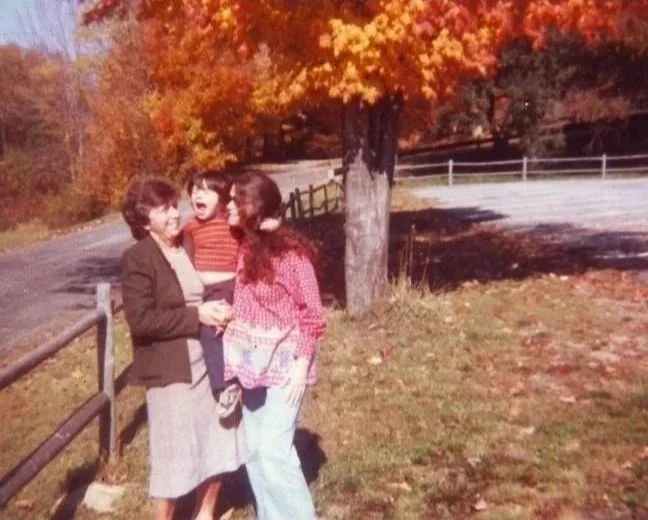
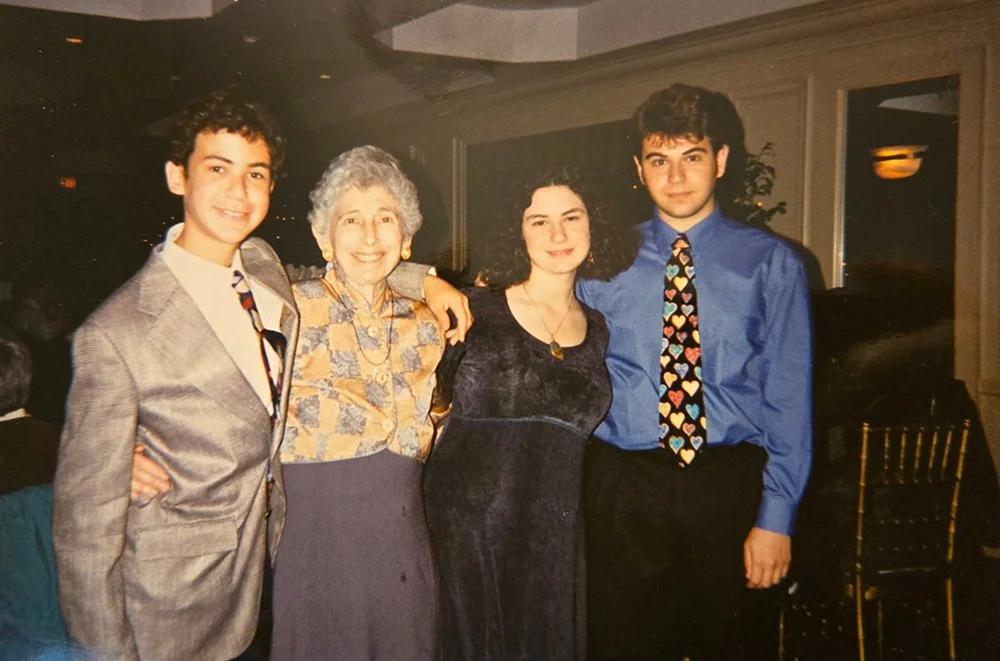
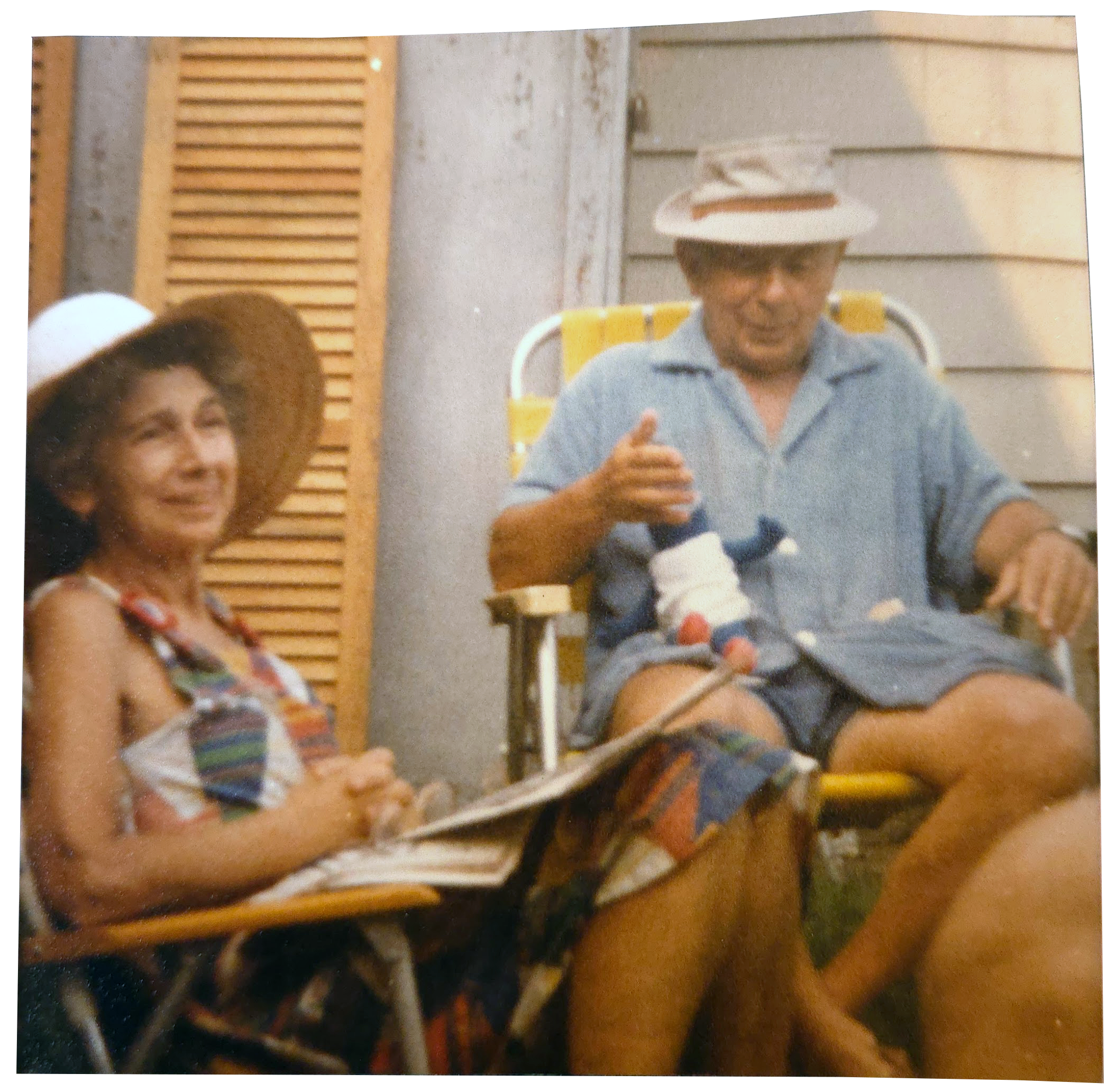
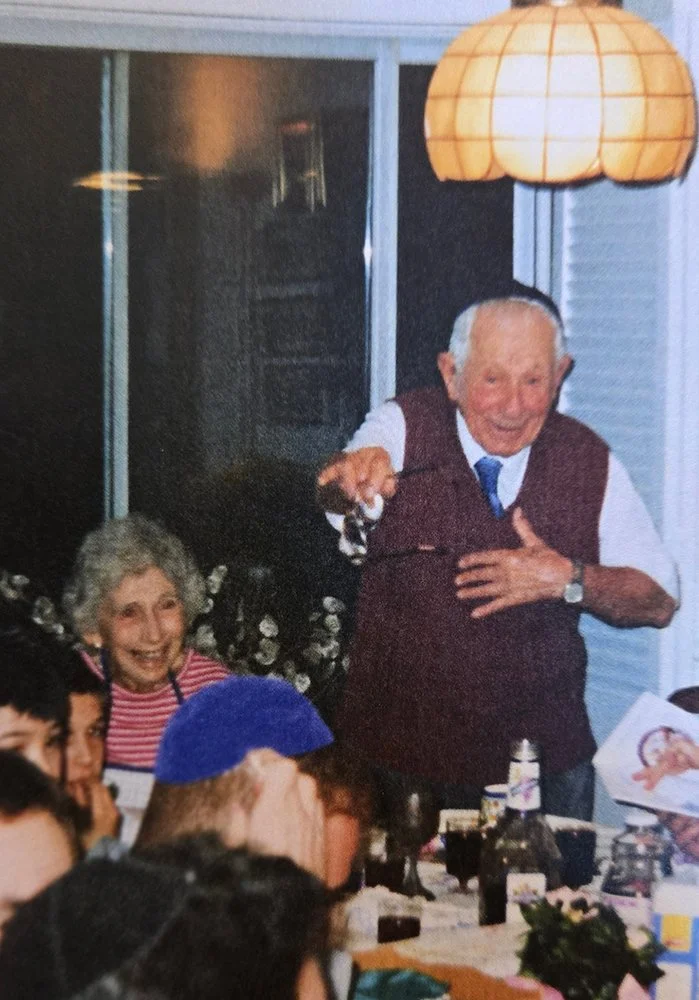
Come with me to Bloomfield, Connecticut in 1980-something, to attend a Passover seder at the home of my great aunt and uncle, Sarah and Joe Brody. Then, stay for some after-dinner perspective on the Exodus story, and thoughts on the future.
Listen now: Spotify | Apple Podcasts | Amazon Music Podcasts | YouTube | YouTube Music Podcasts | Pandora | iHeart Radio | Podbean | rss.com | Listen Notes | Podchaser | and more
Welcome to Bloomfield! Are you managing?
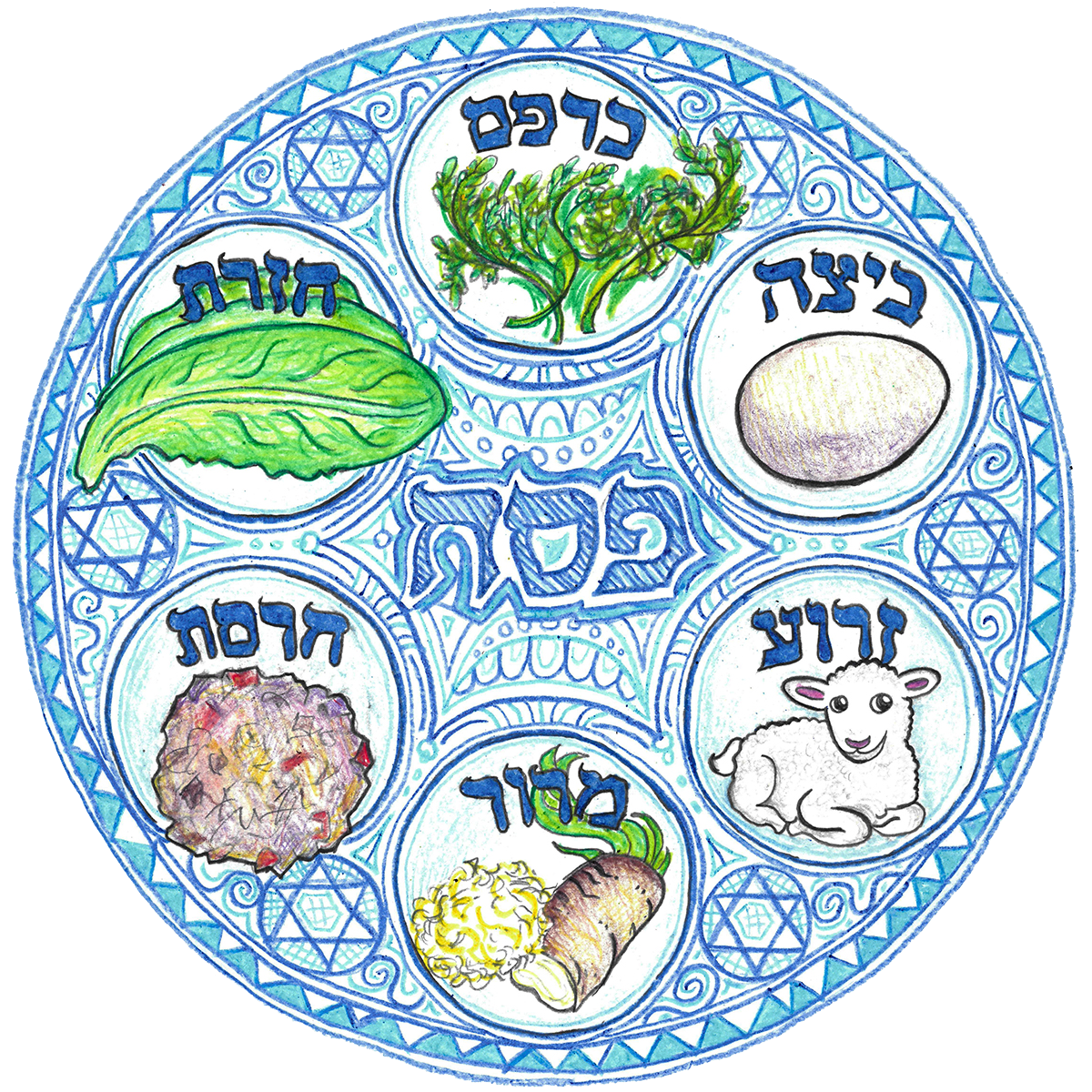
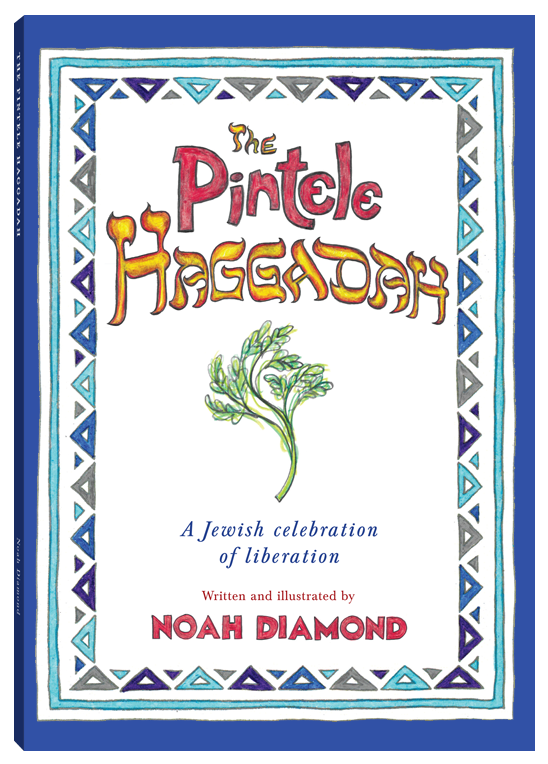
It’s true what you’ve heard: The Pintele Haggadah is now available! I hope you’ll consider incorporating it into your Passover tradition, or using it to start one. Here’s what it says on the back cover: “The Pintele Haggadah offers a humanistic approach to Passover, reminding us that the seder is an antifascist festival, celebrating humanity's ongoing exodus from persecution and tyranny; as well as a chance to gather with the people we love; to talk, laugh, sing, and play with our food.”
Most seders, including Uncle Joe Brody’s, are assembled from a variety of sources. A seder should reflect the interests and concerns of the people in attendance. The effort to reimagine Passover for our time is also the effort to preserve and protect its power and relevance. Secular movements like Reconstructionist Judaism, and organizations like the Society for Humanistic Judaism, can help with this effort. Also, here’s a website that allows you to create your own Haggadah by choosing material from numerous sources.
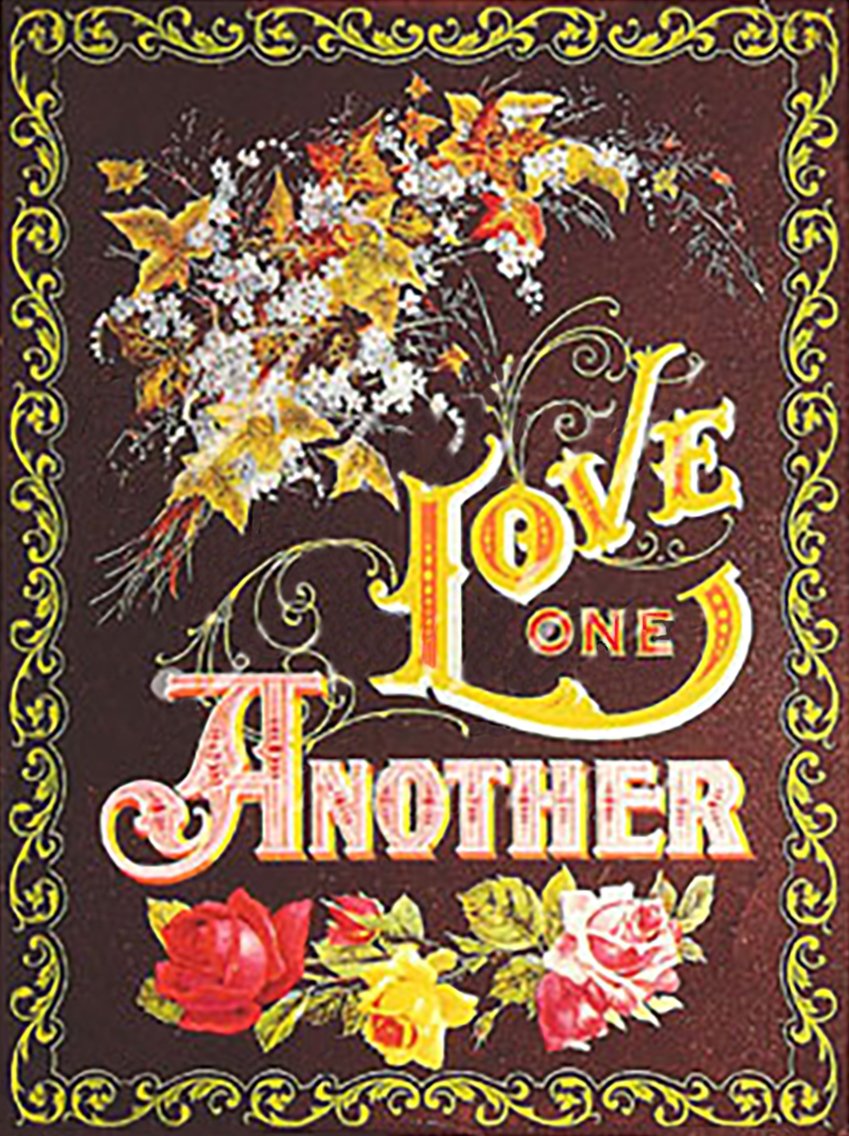
This poster was the first thing you saw upon entering the Brodys’ house.
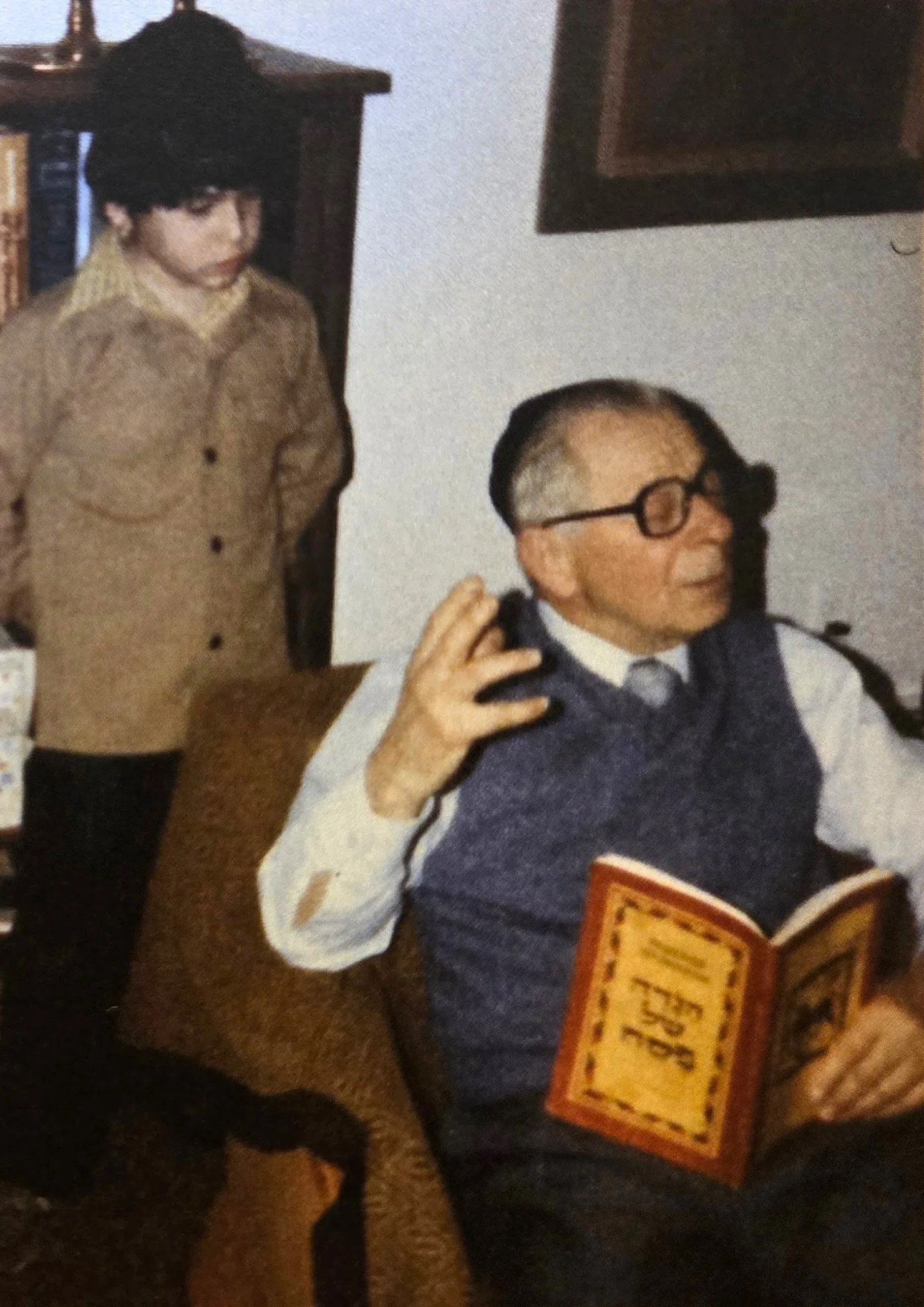
Always Coca-Cola: The Rabbi Nathan Goldberg Haggadah from Ktav Publishing. One look at that red-and-yellow cover and I can smell Sarah’s kneidl soup. For the same general idea with softer edges, see The New Haggadah (Jewish Reconstructionist Foundation, 1942, subsequently revised). There are now many shelves’ worth of Haggadahs available, reflecting a wide range of interpretations. There are Shakespeare Haggadahs, Star Wars Haggadahs, and Seinfeld Haggadahs. When I was a kid I loved the visuals in Rony Oren’s Animated Haggadah. Other Haggadahs guaranteed to dazzle the eye are the 1974 Central Conference of American Rabbis’ A Passover Haggadah, with drawings by Leonard Baskin; and Ben Shahn’s 1966 Haggadah for Passover. For a radical reinterpretation of the holiday, E.M. Broner’s The Women’s Haggadah deserves attention. You can find complete scans of the 1908 edition of The Union Haggadah, quoted near the end of this episode, here.
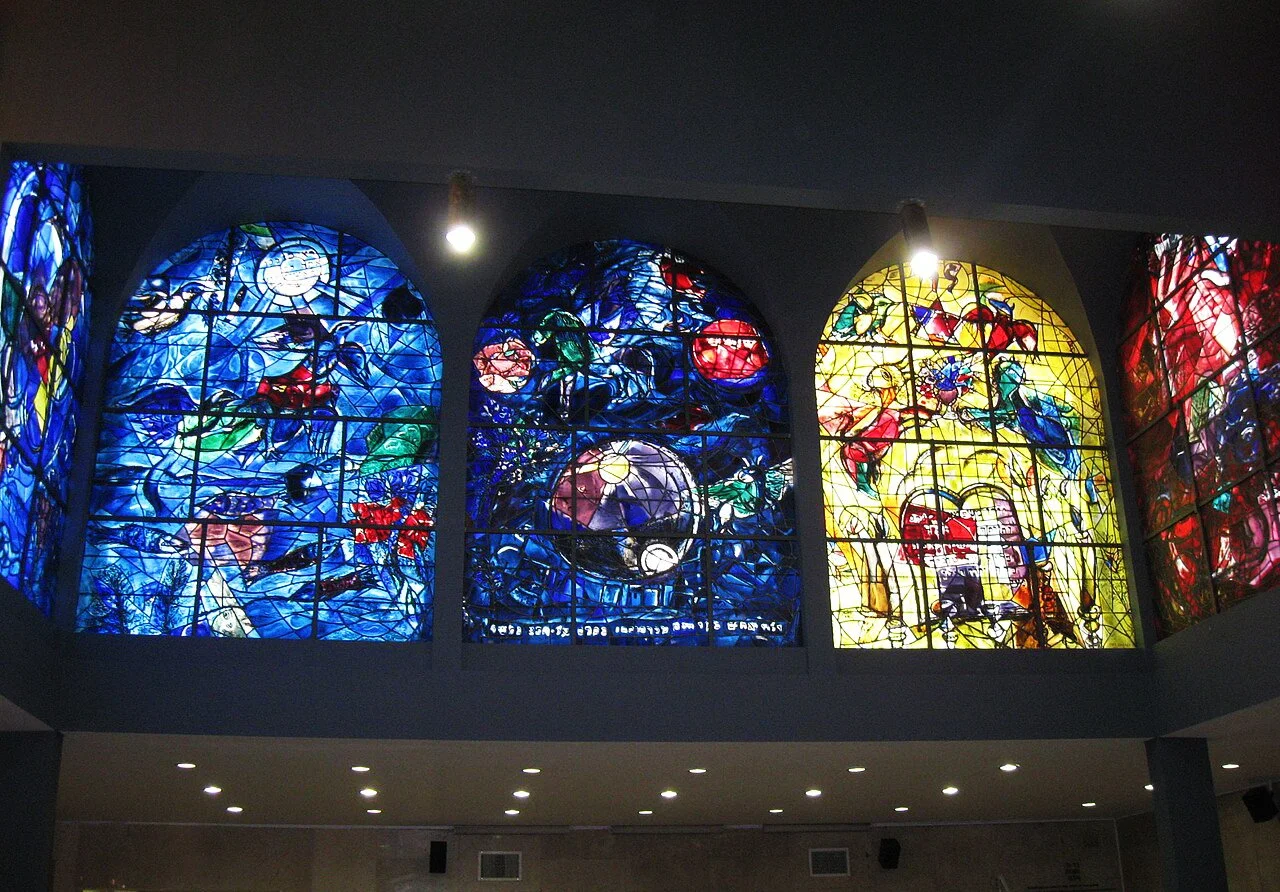
If you’re interested in Marc Chagall’s “Jerusalem Windows,” there’s information here; there’s also a beautiful book. I have the 1988 Park Lane hardcover edition.
For more on the naming of sandwiches after stars, see “The Celebrity Deli,” Leah Koenig, Tablet, 2021. I’d be happy to be wrong about this, but since the closings of Reuben’s (2001), the Stage Deli (2012), and the Carnegie Deli (2016), I don’t think there’s a major Jewish deli in New York City which still serves sandwiches named after celebrities. (There are great surviving delis, including the Second Avenue Deli, Sarge’s, and Katz’s, but they just call a pastrami sandwich a pastrami sandwich.) There’s more on this subject from my friend Brian Hoffman at Eat This NY, and we’ll explore the profound implications of the Jewish delicatessen experience in Pintele 7: Next Year in Manhattan.
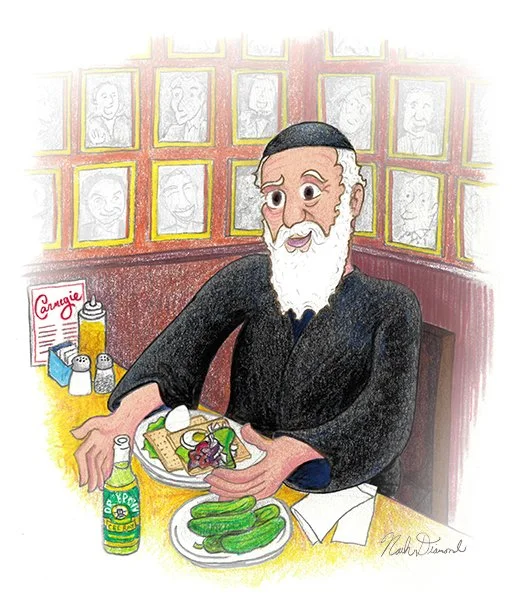
Hillel at the Carnegie Deli (Illustration from The Pintele Haggadah)
Ben Aronin’s complete 1948 lyric for “The Ballad of the Four Sons” (to the tune of “Clementine”) is here, if for some reason you want it. The cartoonist Richard Codor has offered a far more entertaining interpretation of the Four Sons; it appears in his Joyous Haggadah.
Pete Seeger’s recording of “Dayenu,” from Folk Songs for Young People (1959), is right here.
When was the last time you saw Cecil B. DeMille’s 1956 Ten Commandments? I’ve had such a range of reactions, I don’t know what to think anymore, but Trav S.D. makes a strong case for it.
As mentioned previously, when it comes to Biblical references, I heartily endorse The Skeptic’s Annotated Bible, an invaluable guide to the allegedly good book.
I’ve been unable to find a version of the “Passover, 1943” text that exactly matches the one distributed in typewritten, photocopied form at Sarah and Joe’s table. I wish I had a copy. It’s likely that that page was itself compiled from multiple sources, and partially reworked. There are numerous iterations of “Passover, 1943” (sometimes entitled “Warsaw, 1943”) available on the web. The version I offer in Pintele 3 (as well as in The Pintele Haggadah) is adapted from a few of them, along with my own memories of the text and the desire for concision and clarity. You can find some of this material in “Passover 1943: The Warsaw Ghetto Uprising” (Daily Kos) and this Humanist Haggadah. For more on the Warsaw Ghetto Uprising, start with the Holocaust Encyclopedia. Eyewitness accounts are available from Yad Vashem (“Voices From the Inferno”) and the Jewish Historical Institute. Marek Edelman’s firsthand account was published in pamphlet form as The Warsaw Ghetto: The 45th Anniversary of the Uprising (Interpress Publishers), available online from the University of Pennsylvania.
“Deconstructing the Walls of Jericho” is Ze’ev Herzog’s seminal article about the gap between Biblical myth and archaeological reality, originally published in Haaretz in 1999.
Baruch Halpern is quoted from “The Exodus from Egypt: Myth or Reality?” as published in The Rise of Ancient Israel, available from the Biblical Archaeology Society. The 2013 conference mentioned in this episode is covered here. See also “Doubting the Story of Exodus,” Teresa Watanabe, Los Angeles Times, April 13, 2001.