Pintele Part 4: You Ain’t Heard Nothin’ Yet
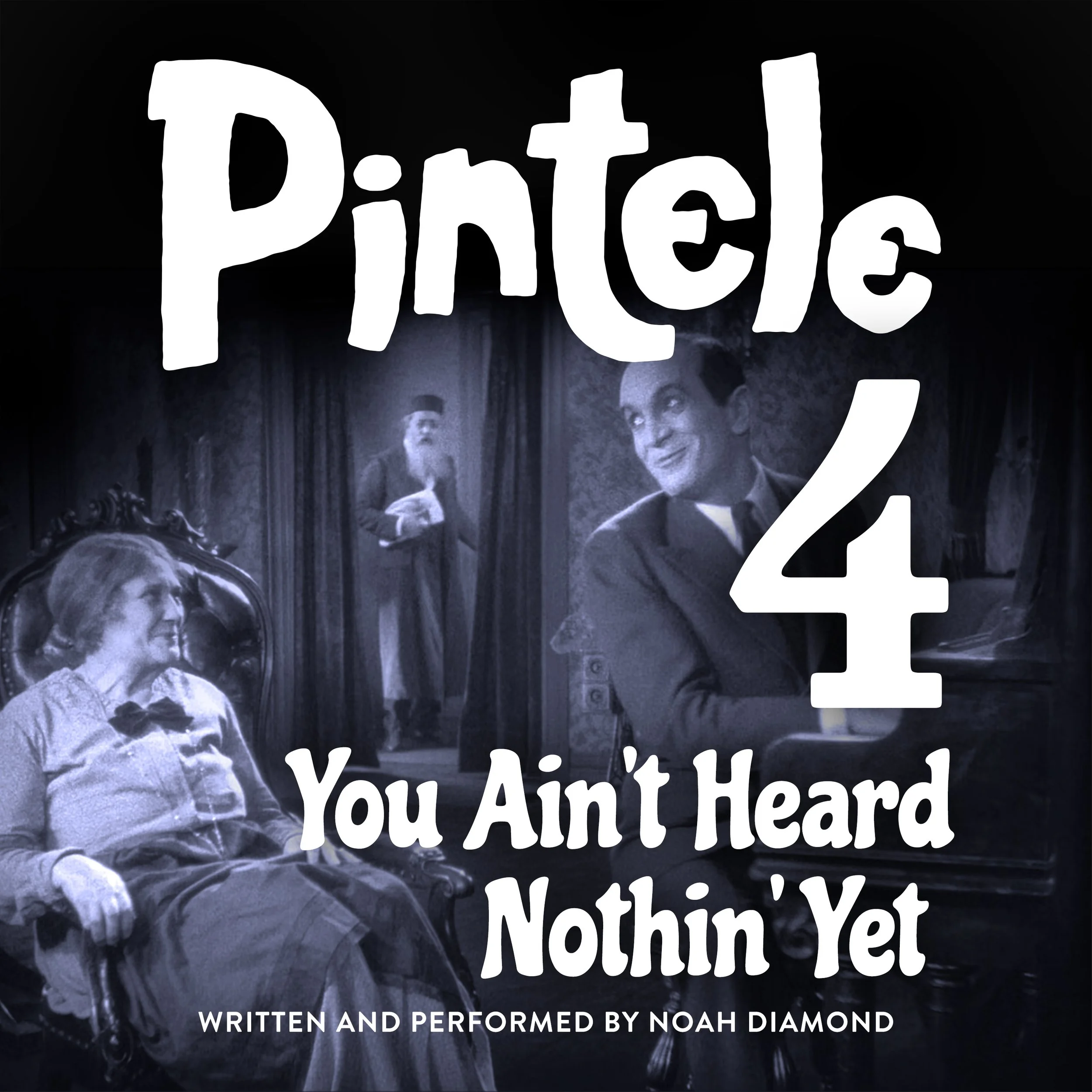
What follows the family to America at the end of Fiddler on the Roof? In this discussion of tradition, precariousness, and the mystical concept of the pintele yid, we consult such sacred texts as The Jazz Singer, Abie’s Irish Rose, and the work of the Marx Brothers.
Listen now: Spotify | Apple Podcasts | Amazon Music Podcasts | YouTube | YouTube Music Podcasts | Pandora | iHeart Radio | Podbean | rss.com | Listen Notes | Podchaser | and more
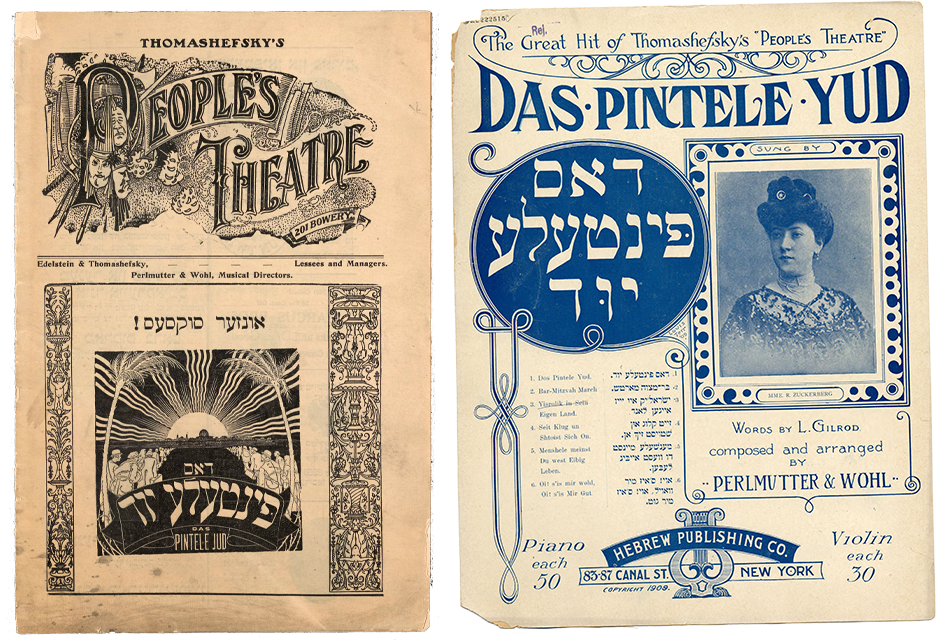
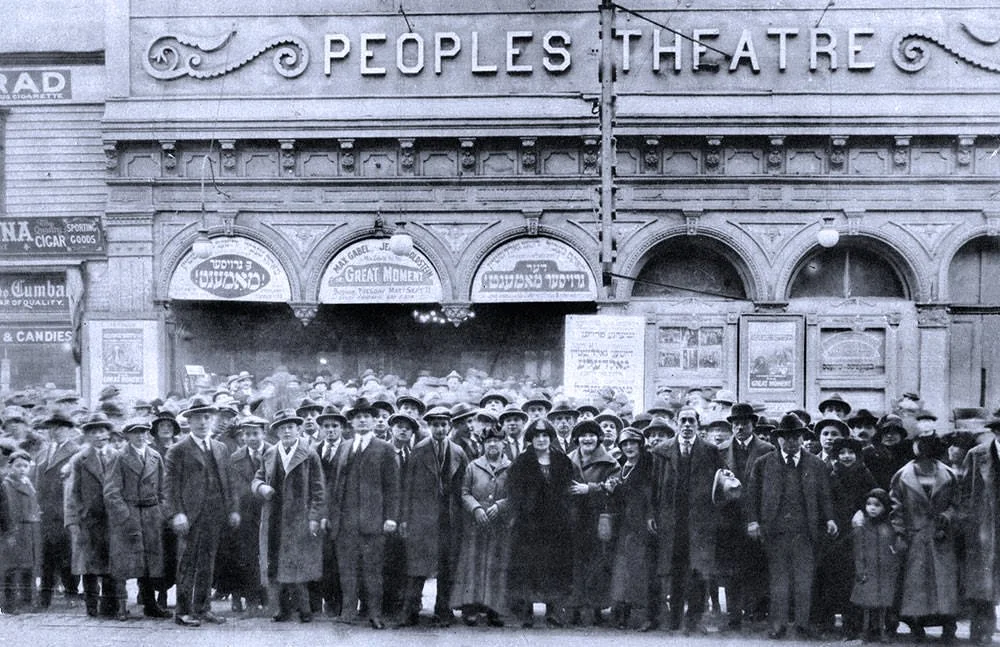
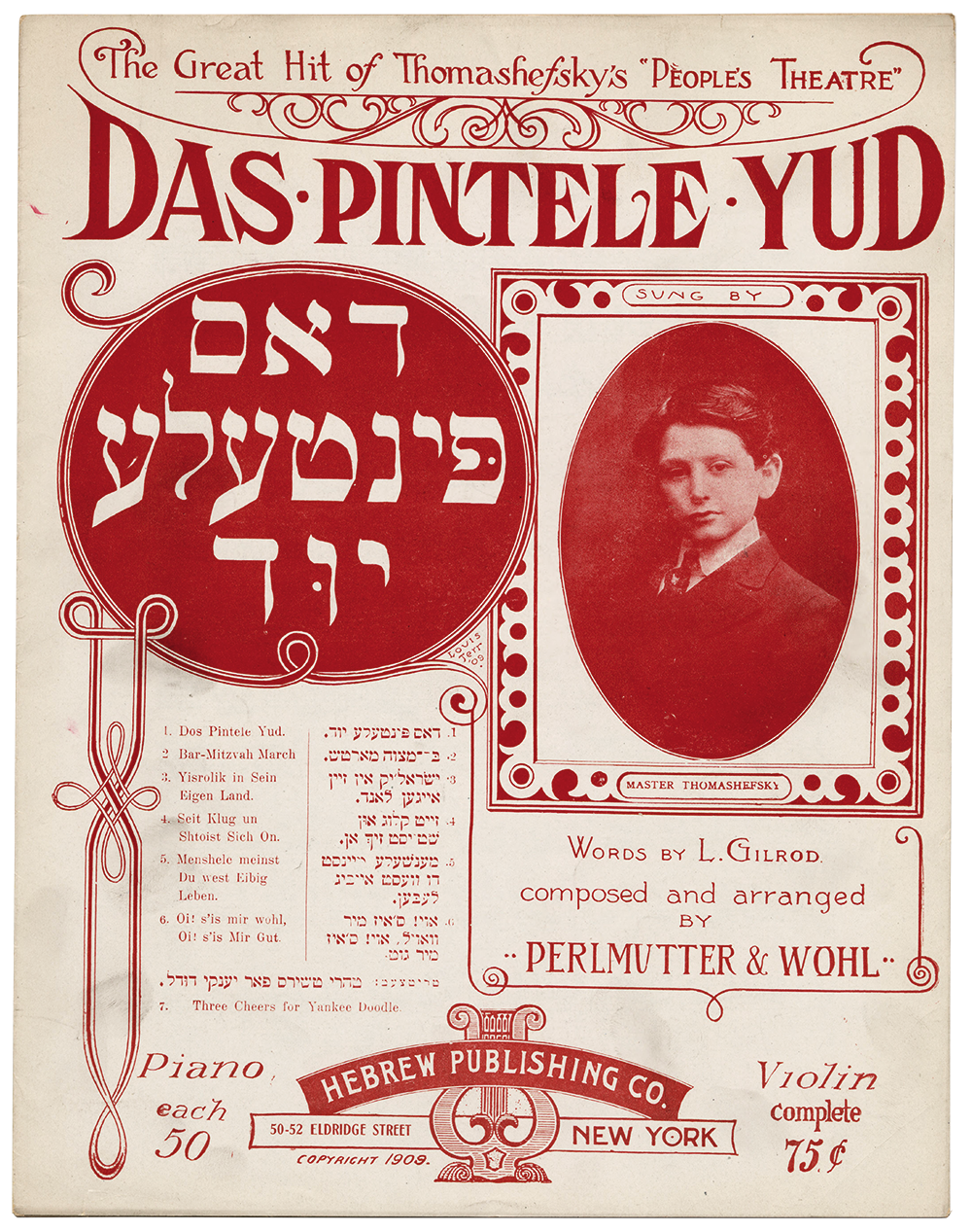
Program (1909) and sheet music (1910) covers from Das Pintele Yid, People’s Theatre
You know the drill, Pin-heads, so let’s get on with the notes and sources!
The Fiddler anecdote (“What is this show about?”) appears in many sources, including the documentary Fiddler: A Miracle of Miracles. “Oh, for godssake, Jerry...” is quoted from Hal Prince, in that film.
As mentioned in my notes for Part 1, Wonder of Wonders: A Cultural History of Fiddler on the Roof by Alisa Solomon is indispensable. Regarding the 1971 film version of Fiddler, Zack Paslay’s Fiddler on the Roof’s Place in the New Hollywood is especially relevant. Anyone interested in the genesis of the score of Fiddler absolutely must listen to Bock to Harnick: Composing the Score to Fiddler on the Roof, an astonishing collection of working demos, released in 2015 and available on Bandcamp.
The original Tevye stories by Sholom Aleichem exist in many translations and compilations; the version translated by Frances Butwin and originally published in 1949 as Tevye’s Daughters seems to be the one Bock, Harnick, Stein, and Robbins were working from.
Phillip Roth’s dismissal of Fiddler as “shtetl kitsch” appears in his essay “Re-Reading Saul Bellow,” The New Yorker, October 2, 2000. Here it is in context:
Back in the teens, when the immigration was still going on, back in the twenties, the thirties, the forties, even into the fifties, none of these American-raised boys whose parents or grandparents had spoken Yiddish had the slightest interest in writing shtetl kitsch such as came along in the sixties with Fiddler on the Roof. Having themselves been freed by their families’ emigration from the pious orthodoxy and the social authoritarianism that were such a great source of shtetl claustrophobia, why would they want to?
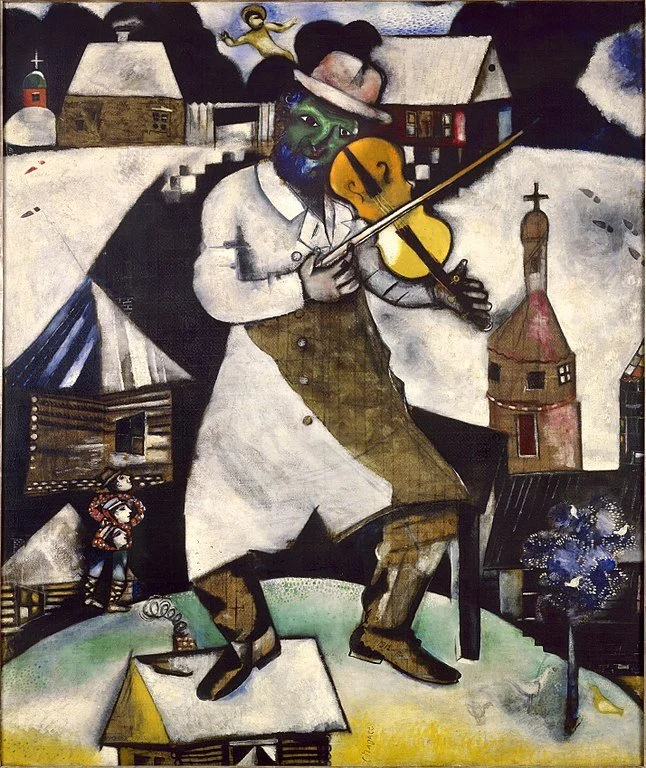
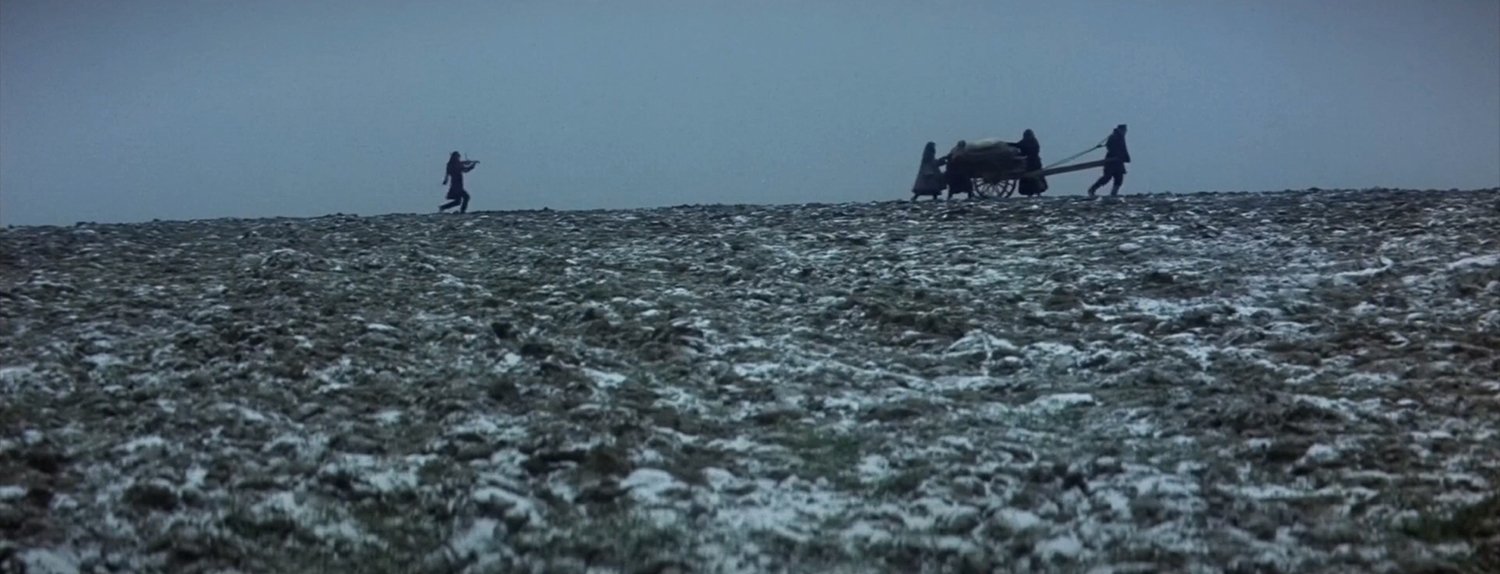
Marc Chagall, The Fiddler, 1912-1913. Wikimedia
Some of Boris Aronson’s scenic designs for Fiddler can be seen on the New York Public Library’s website. In addition to The Fiddler (pictured on this page), a partial list of other Marc Chagall paintings which may have inspired the musical would include Violinist in the Snowy Village, The Blue Fiddler, Green Violinist, The Violinist, Le Mort, Remembrance, and I and the Village.
“The past is a foreign country; they do things differently there” is the oft-quoted opening line of L.P. Hartley’s 1953 novel The Go-Between.
“Tradition is the illusion of permanence” is from Deconstructing Harry.
You can read the 1938 poem “Good Night, World” by Yankev Glatshteyn (aka Jacob Glatstein) here; a web search will find numerous translations. The lines I quote are adapted from multiple versions. The Yiddish Book Center offers an excellent deep dive into “Good Night, World.” For more on Glatshteyn, start with the Congress for Jewish Culture.
Hillel Halkin is quoted from “An Essential Point,” the Forward, November 24, 2006 (published under Halkin’s pseudonym, Philologos). Additional worthwhile thoughts on das pintele yid can be found in this essay by Matthew Hoffman about Chaim Zhitlovsky. Zhitlovsky, incidentally, is an interesting but elusive late-nineteenth and early-twentieth-century Jewish philosopher whose ideas I’ve tried, and failed, to incorporate coherently into Pintele.
The libretto of Das Pintele Yid is here and here, if you can read Yiddish (or even if you can’t). A description of the show’s spectacular finale can be found here.
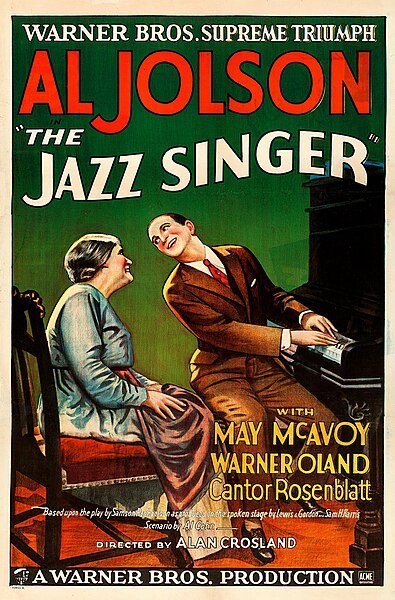
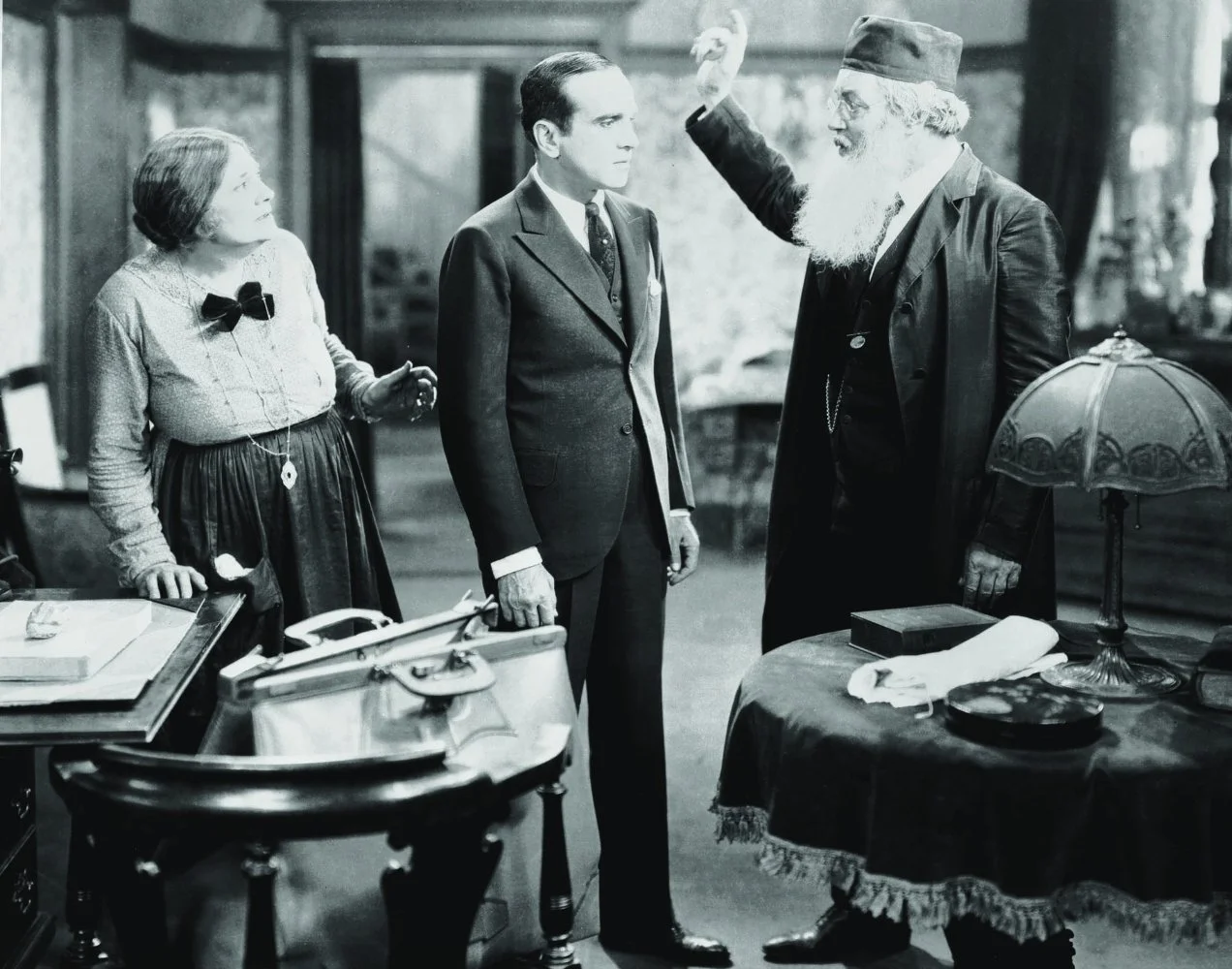
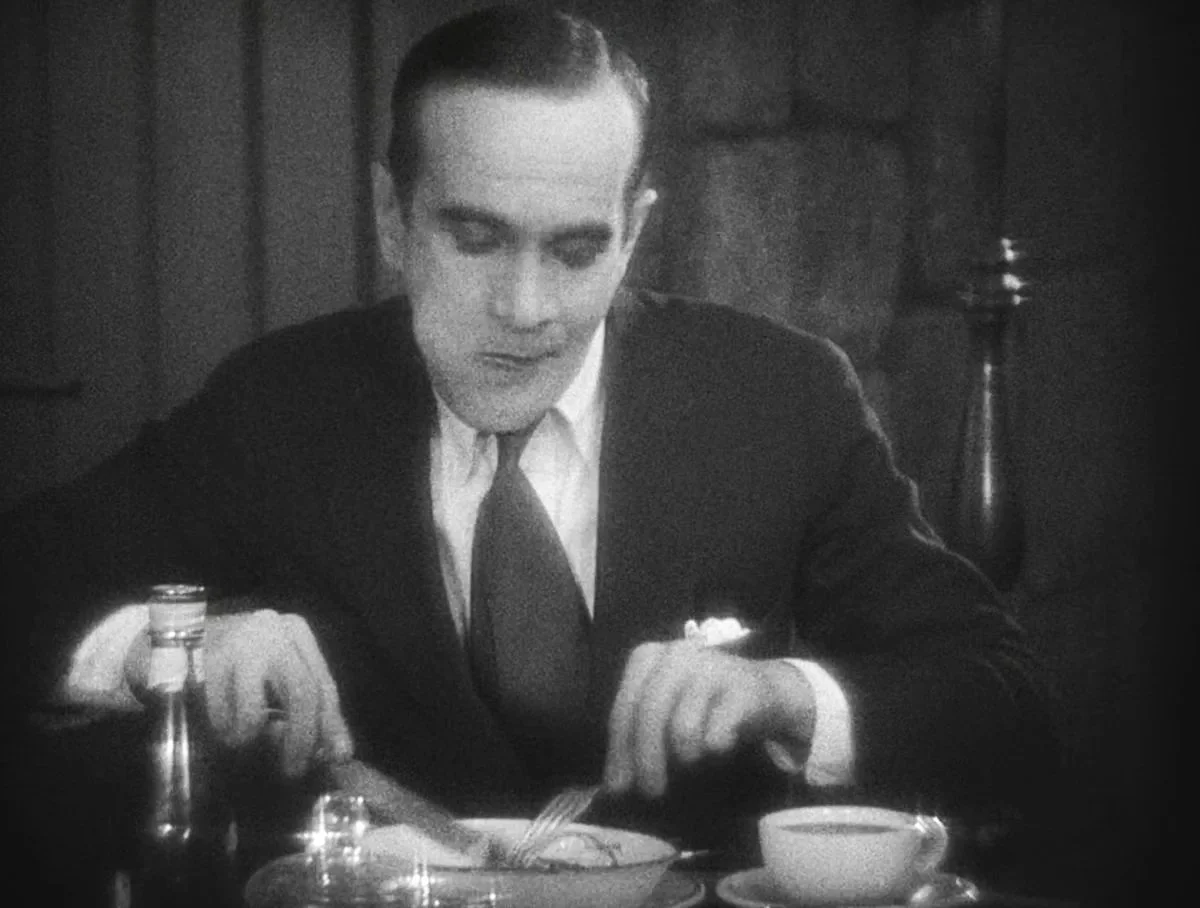
The Jazz Singer, 1927
Impressions of Al Jolson and The Jazz Singer come from watching the film more times than I really wanted to, as well as from Jolson: The Legend Comes to Life by Herbert G. Goldman, Only in America: Al Jolson and The Jazz Singer by Richard Bernstein, and Gangsters and Gold Diggers by Jerome Charyn. Also, a personal message to Jan Hernstat of the Al Jolson Society: Hello, Hoinstat!
You can read Samson Raphaelson’s original 1925 stage version of The Jazz Singer. The 1927 film is in the public domain and widely available. When I say that the various remakes of The Jazz Singer “didn’t have blackface,” I am willfully ignoring the fact that blackface is bizarrely used as a minor plot element in the 1980 remake.
For more on the origins and implications of blackface, see Blackface by Ayanna Thompson.
I’ve written a bit more about Abie’s Irish Rose, for all you Abie’s Irish Rose maniacs.
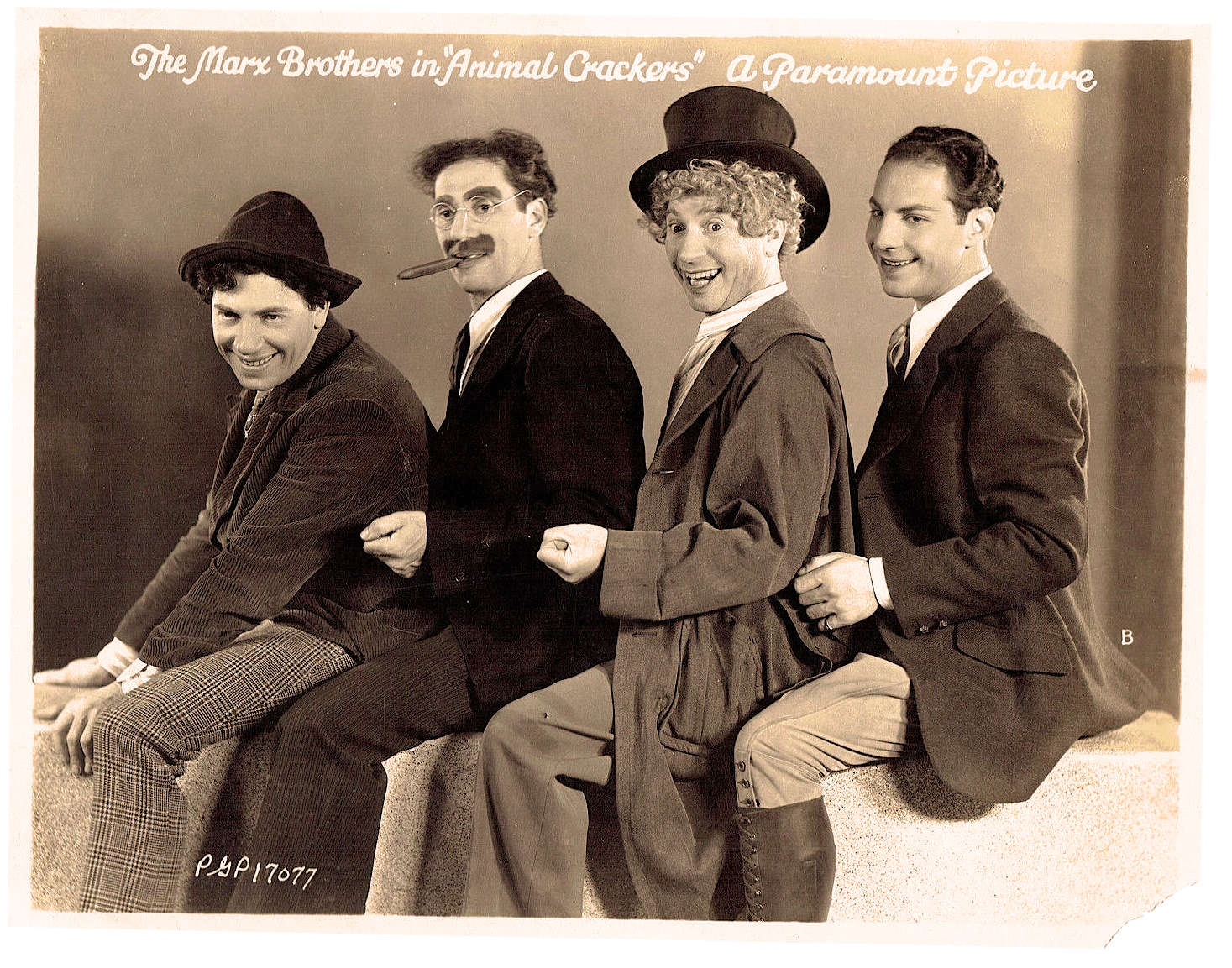
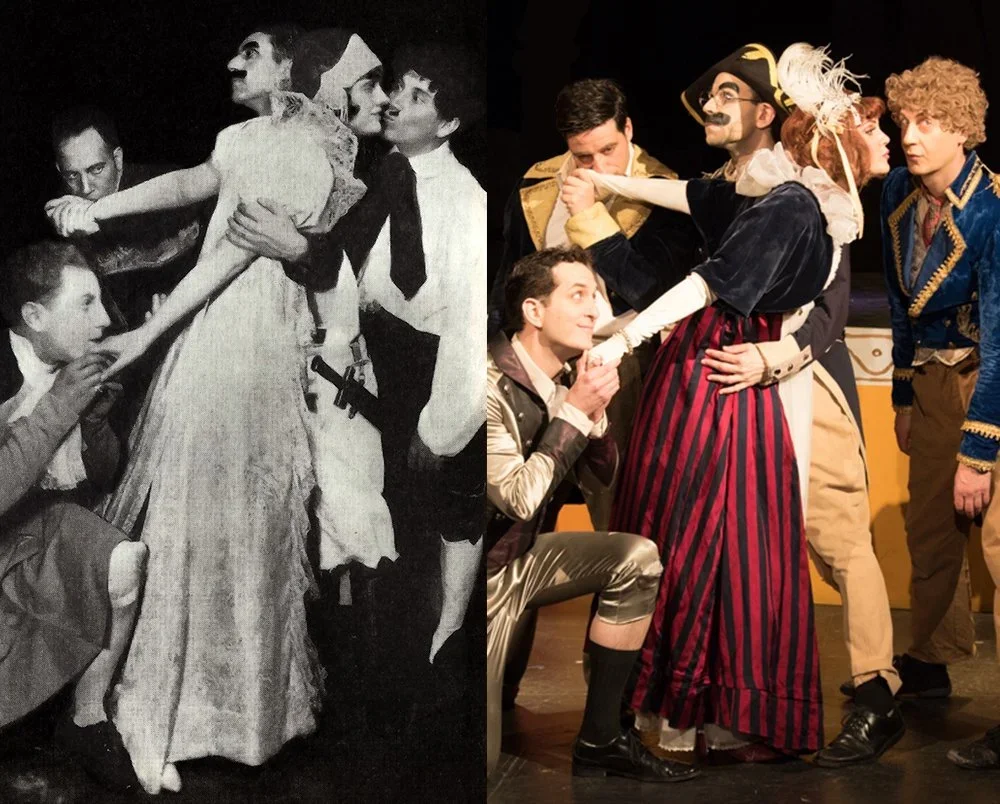
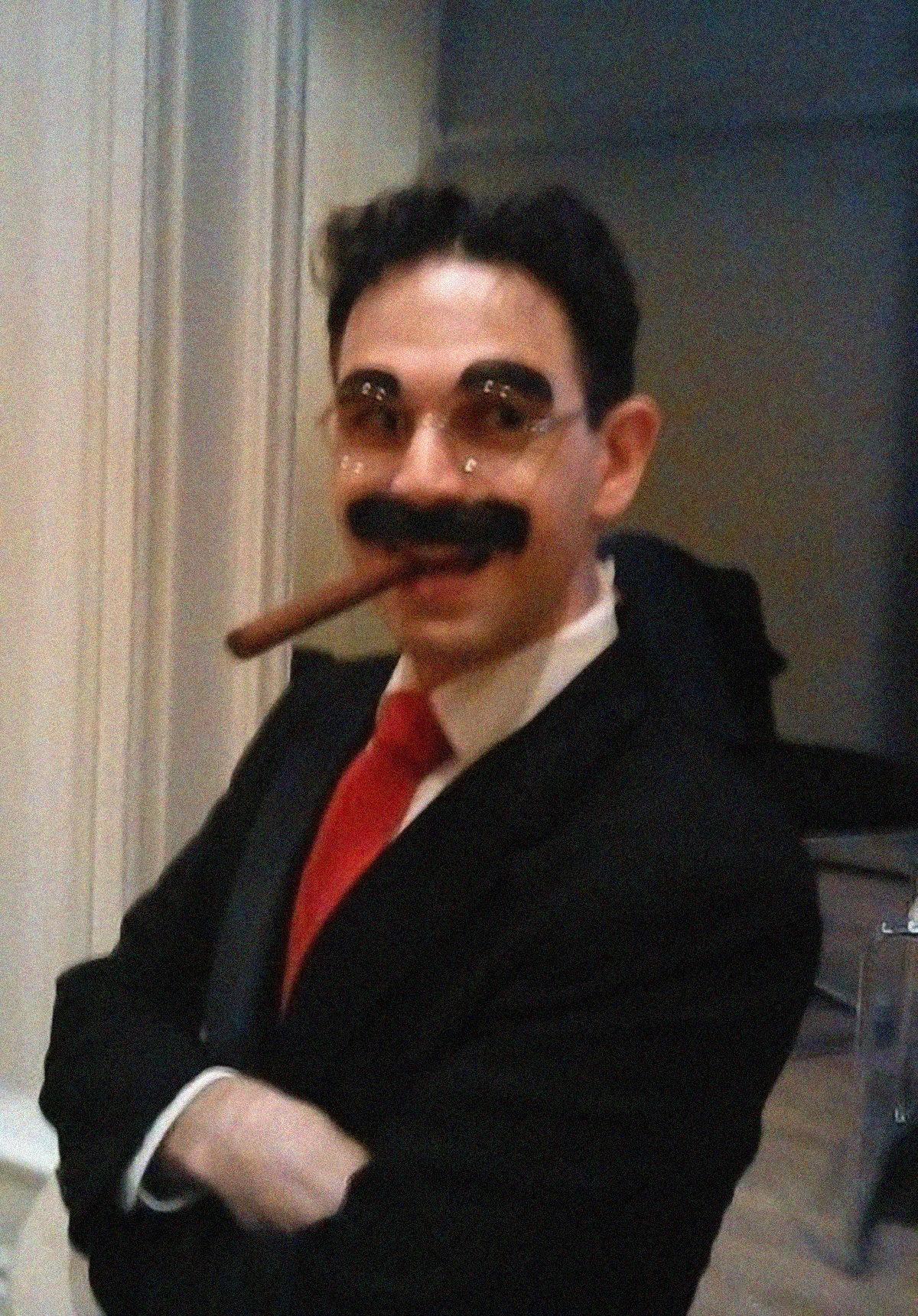
Here is my chat with cultural historian, biographer, and comics legend Danny Fingeroth about the Marx Brothers and Jewishness, produced by the YIVO Institute for Jewish Research as part of their free, fabulous online course Is Anything Okay? The History of Jews and Comedy in America. And here is a longer panel, entitled Did Someone Call Me Schnorrer? The Marx Brothers and Jewish Identity, featuring Danny Fingeroth and me with Henry Sapoznik. Also, for anyone who feels that I didn’t say Danny Fingeroth’s name enough times in this paragraph: Danny Fingeroth.
And speaking of Henry Sapoznik (musicologist, musician, historian, and much more), I’m told that his recent book, The Tourist’s Guide to Lost Yiddish New York City, is groundbreaking on the subject of The Jazz Singer, and how the work’s various incarnations were received in the Yiddish press. I have yet to read the book, which was published as I was putting the finishing touches on Pintele, but I’m looking forward to it, and I’m sure after I read it I will enthusiastically recommend it!
Groucho Marx’s correspondence with T.S. Eliot, and his account of the evening they spent together, can be found in The Groucho Letters. You can hear Groucho’s complete remarks from Eliot’s memorial service here. His definitive telling of the gallows joke is on the 1973 LP An Evening with Groucho, which is out of print but not hard to find.
For a guide to my work with the Marx Brothers, visit noahdiamond.com/marxbrothers. For more about I’ll Say She Is, visit the official site, and read Gimme a Thrill: The Story of I’ll Say She Is.
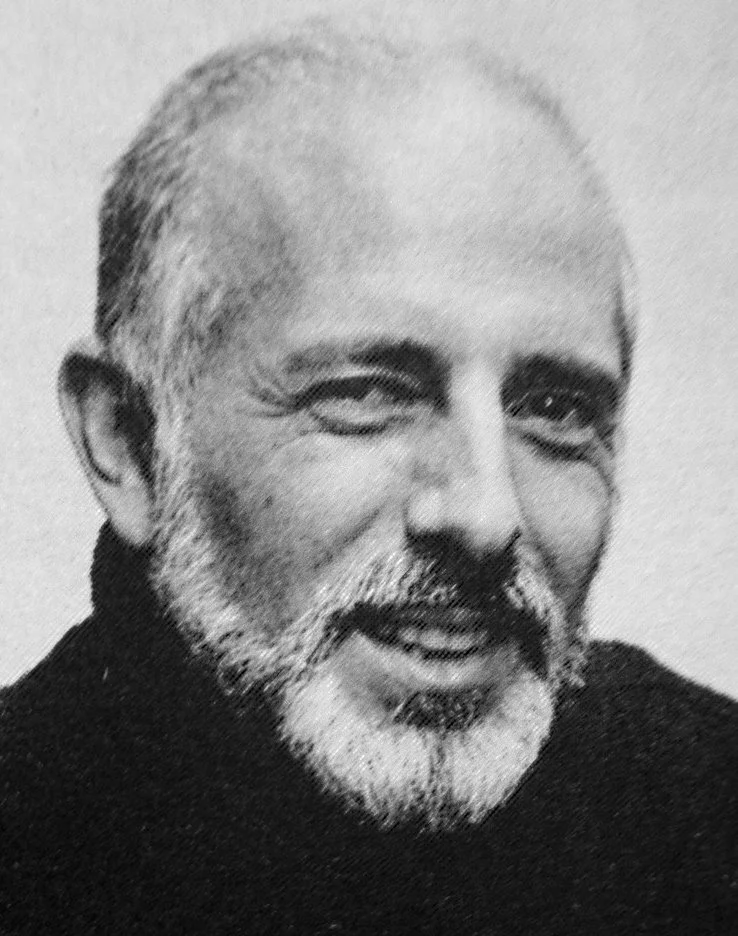
Jerome Robbins
Some starting points for an investigation of Eliot’s antisemitism are “Examining T. S. Eliot And Anti-Semitism: How Bad Was It?,” Michiko Kakutani, New York Times, August 22, 1989, and “The Poetry of Prejudice,” Anthony Julius, The Guardian, June 6, 2003. David Baddiel approaches Eliot’s antisemitism from a specific contemporary angle in Jews Don’t Count.
In the early twentieth century, one of the brightest lights in European Jewish culture was Jakob-Ber Gimpel’s Yiddish Theatre in Lemberg, Galicia (which is now Lviv, Ukraine). Many important Yiddish songs and shows originated there, or had their European premieres there. Franz Kafka and Marc Chagall were fans, and Sholom Aleichem based his novel Wandering Stars on what he saw there. The recording of “Dos Pintele Yid” heard at the end of Pintele 4 features Jacob Fuchs, one of the stars of the Lemberg Yiddish Theatre. It was recorded in Vienna around 1910.
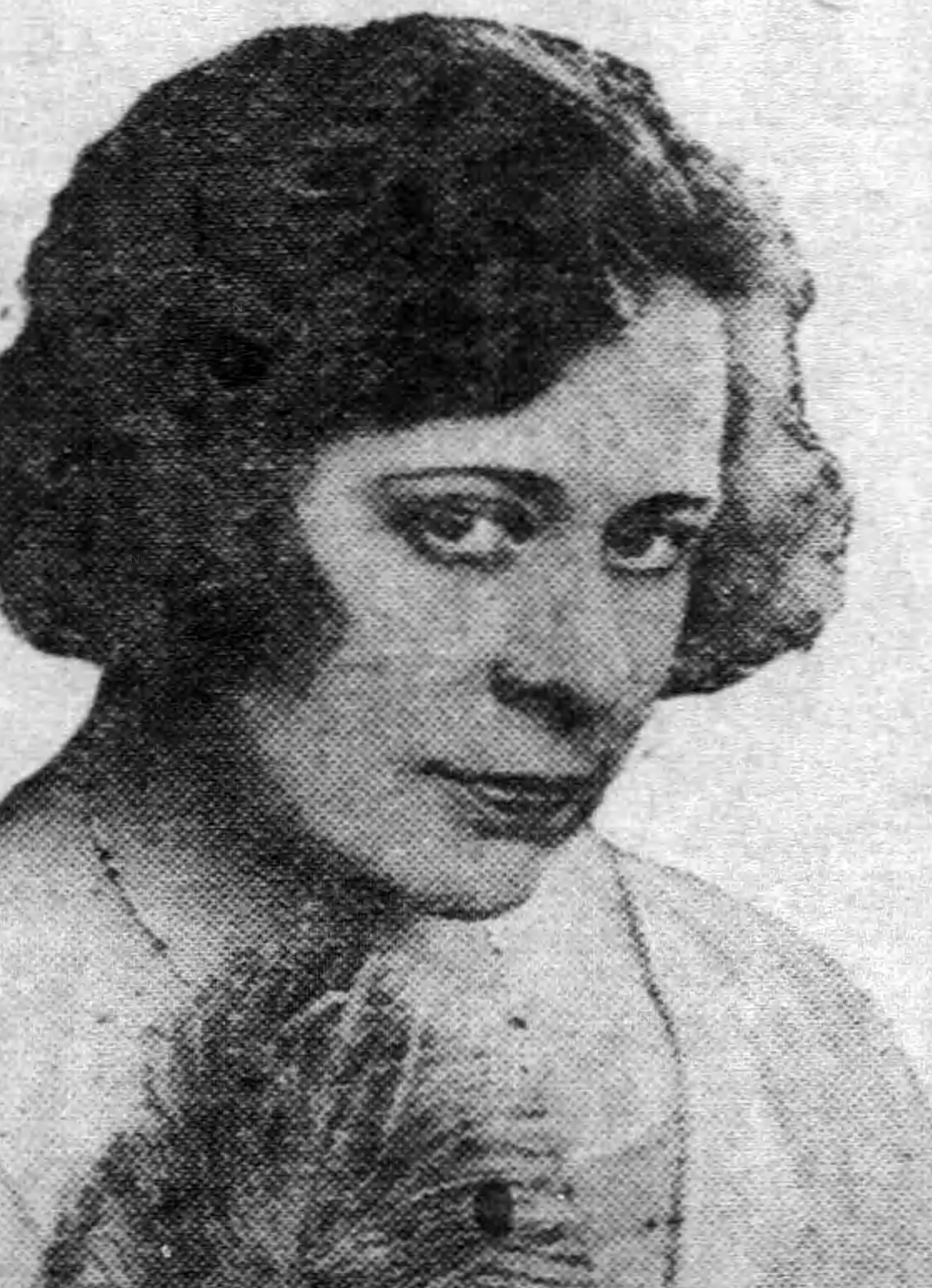
Another great recording of “Dos Pintele Yid,” heard earlier in the episode, was recorded in New York in 1924 by Yiddish vaudeville singer and pioneering drag performer Pepi Litman.